
Handling Toddler Tantrums Calmly: A Parent’s Guide to Turning Meltdowns into Learning Moments
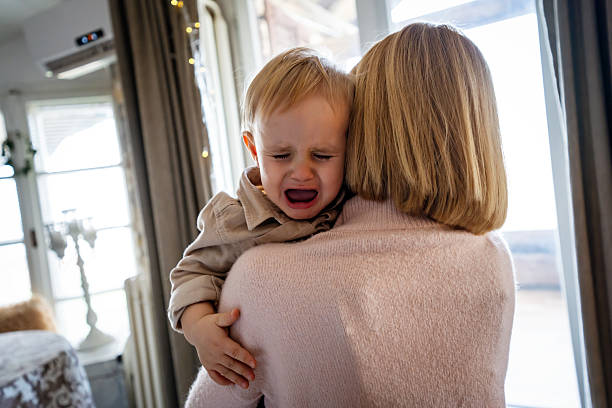
Few parenting experiences are as overwhelming as a toddler throwing a tantrum in the middle of a supermarket, at a family gathering, or just before bedtime. The crying, screaming, kicking, or refusing to cooperate can leave even the most patient parents feeling frustrated and helpless. In those moments, it may seem as though your child is being difficult on purpose.
The truth is, tantrums are a normal part of early childhood. They are not signs of bad parenting or a “naughty” child. Instead, they reflect a stage of brain development where emotions are big, but the ability to manage them is still developing. Understanding why tantrums happen and knowing how to respond calmly can make these challenging moments less stressful for both you and your child.
Why Do Toddlers Have Tantrums?
Toddlers experience emotions just as intensely as adults, but they lack the language, self-control, and emotional regulation skills to express those feelings appropriately. Hunger, tiredness, overstimulation, frustration, disappointment, or the inability to communicate their needs can quickly lead to an emotional outburst.
At this age, the part of the brain responsible for reasoning and self-control is still developing. When a toddler becomes overwhelmed, emotions take over, making it difficult for them to think logically or calm themselves without support. This is why expecting a child in the middle of a tantrum to “behave” or “listen” often leads to even greater frustration.
Stay Calm—Your Child Needs Your Calmness
One of the most powerful things a parent can do during a tantrum is remain calm. Children often mirror the emotional state of the adults around them. If a parent shouts or reacts with anger, the child’s distress usually intensifies.
Taking a slow breath before responding can help you stay composed. Speaking softly, keeping your body language relaxed, and maintaining a calm facial expression send a reassuring message that the situation is under control.
Remember, your calmness becomes an anchor for your child when they are struggling to manage overwhelming emotions.
Recognise the Emotion Behind the Behaviour
A tantrum is often an expression of feelings that a toddler cannot yet put into words. Instead of focusing only on stopping the behaviour, try to identify what your child may be experiencing.
Simple statements like, “You’re upset because you wanted to keep playing,” or “I know you’re angry that it’s time to leave,” help children feel understood. Naming emotions also builds emotional vocabulary, making it easier for them to express their feelings in healthier ways as they grow.
Acknowledging emotions does not mean giving in to demands. It simply tells your child that their feelings are valid, even if their behaviour needs guidance.
Keep Boundaries Gentle but Firm
Many parents worry that saying no during a tantrum will make things worse. However, changing a decision simply to stop the crying teaches children that tantrums are an effective way to get what they want.
If a limit has been set for a good reason, remain consistent. Offer comfort without changing the boundary. Your child needs to know that while their emotions are accepted, certain rules remain the same.
Children feel safest when adults provide predictable and consistent boundaries.
Avoid Reasoning During the Peak of the Tantrum
When a toddler is crying uncontrollably, their brain is focused on emotions rather than logic. This is not the right time for lengthy explanations, lectures, or questions.
Trying to convince them why they should calm down rarely works because they are simply not ready to process complex information.
Wait until your child has settled before discussing what happened. Once they are calm, they are much more capable of understanding your guidance and learning from the experience.
Offer Comfort If Your Child Wants It
Some toddlers seek a hug during a meltdown, while others need a little space before they are ready for physical comfort. Pay attention to your child’s cues.
Sitting nearby, speaking gently, or simply letting them know you are there can provide reassurance without overwhelming them. Your calm presence teaches your child that difficult emotions are manageable and that they are not alone during challenging moments.
Look for Common Triggers
Although tantrums cannot always be avoided, many become more predictable once parents recognise their child’s triggers.
A child who regularly misses naps, becomes hungry between meals, struggles with transitions, or feels overstimulated in crowded places may be more prone to emotional outbursts. Observing patterns allows parents to make small adjustments that reduce the frequency of meltdowns.
Maintaining regular routines, offering healthy snacks, giving advance warnings before transitions, and ensuring adequate sleep can go a long way in preventing unnecessary frustration.
Teach Emotional Skills During Calm Moments
The best time to teach emotional regulation is not during a tantrum but after it has passed. Calm moments create opportunities to talk about feelings, practise deep breathing, read books about emotions, or role-play different situations.
Helping children identify feelings such as anger, sadness, excitement, or frustration gives them healthier ways to communicate instead of relying solely on crying or screaming.
These small conversations, repeated over time, build emotional intelligence that lasts well beyond the toddler years.
Praise Positive Behaviour
Children naturally repeat behaviours that receive attention. Whenever your toddler manages disappointment without a meltdown, waits patiently, or uses words instead of crying, acknowledge their effort.
Simple praise such as, “I liked how you used your words to tell me you were upset,” or “You waited so patiently—well done!” reinforces the behaviours you want to encourage.
Positive reinforcement is far more effective than focusing only on mistakes.
Take Care of Yourself Too
Handling frequent tantrums can be emotionally exhausting. Parents who are stressed, tired, or overwhelmed may find it harder to respond calmly.
Taking short breaks when possible, asking for support from family members, and practising self-care are not signs of weakness—they are essential parts of effective parenting. A well-rested and emotionally balanced parent is better equipped to support a child through difficult moments.
Remember, you don’t have to be a perfect parent. You simply need to be a calm and consistent one.
When Should Parents Seek Professional Help?
Most toddler tantrums are a normal part of development and gradually decrease as children develop better communication and self-regulation skills.
However, if tantrums are unusually intense, last for very long periods, involve frequent self-harm or aggression, continue well beyond the preschool years, or significantly interfere with daily life, it may be helpful to consult a paediatrician or child psychologist. Early guidance can identify any underlying concerns and provide parents with effective strategies tailored to their child’s needs.
Final Thoughts
Tantrums are not a sign that your child is trying to challenge your authority—they are often a sign that they need help managing emotions that feel too big for them to handle alone. Each meltdown is an opportunity to teach patience, emotional regulation, and resilience.
By responding with empathy, consistency, and calmness, parents create a safe environment where children learn that all emotions are acceptable, even though not all behaviours are. Over time, these everyday interactions lay the foundation for strong emotional health, secure relationships, and confident, emotionally resilient children.